- Queens County, NYC
Queens Roofing Contractor For Flat, Shingle & Multi-Family Roofs
Queens is its own trade. Low-slope and flat systems behind parapets, attached and semi-attached houses sharing party walls with neighbors on both sides, streets with nowhere to put a dumpster, and Department of Buildings filing instead of a village permit.
Bluemaster Roofing is GAF Master Elite certified and Carlisle factory trained, and we handle all of it from Astoria to Far Rockaway. Southeast Queens is genuinely one of the shortest drives we make. Every job is planned before it is priced, because on a Queens block the staging decides the schedule as much as the roof does.
Free Queens Roof Estimate
GAF Master Elite Certified
Roughly the top 2% of US roofers, re-audited every year
50-year transferable warranty
On shingles
Licensed & Fully Insured
Liability and workers comp on every job, certificates sent on request
NYC Filing Handled
We take care of Department of Buildings permits and sign-off ourselves
Four Roofing Problems We Fix Across Queens
Low-slope roofs, shared walls and decades of layered repairs create failures you rarely see on a suburban pitched roof.
Ponding On Flat & Low-Slope Roofs
Standing water days after a storm means the drains, the pitch or the membrane has given up. Patching seams buys a season. Worth knowing before anyone quotes you: sometimes the entire fix is a blocked drain that stopped working two autumns ago and is holding an inch of water on your roof right now. We check that first because it is the cheapest answer and it is frequently the right one.
Party Wall & Parapet Leaks
On attached and semi-attached Queens houses the water usually enters at the shared wall, the parapet coping or the neighbor’s flashing rather than the field of the roof. Finding it takes someone who works these blocks. If it turns out the water is entering on your neighbor’s side, we will tell you that, in writing, with photographs, so the conversation next door starts from evidence rather than opinion.
Layered Tar & Coating Build-Up
Thirty years of cold patch and silver coating adds real weight, cracks apart, traps moisture underneath and hides what is actually happening to the deck. Once there is that much material up there nobody can diagnose it without opening it, which is why another coat is usually money spent to delay a decision you have already made.
Coastal Wind In The Rockaways
Far Rockaway, Arverne, Rockaway Beach and Broad Channel take ocean wind and salt with nothing standing in front of them. Membrane lifts at the edge, fasteners corrode, and post-storm leaks frequently show up days later rather than during the storm itself.
The six building types we work on most in Queens
Queens has more variety in its housing than anywhere else we work. A block of 1920s row houses and a 1950s detached colonial can sit two miles apart and need completely different systems. The badge on each card tells you which roof type it usually carries.
Attached Row Houses
Ridgewood, Woodhaven, Richmond Hill, Ozone Park, Maspeth
Built in long uniform runs, sharing party walls on both sides, with a flat roof behind a parapet. Many still carry layers of tar and silver coating going back decades.
What we look for
How many layers are already up there and what the parapet coping is doing. Weight and hidden saturation under old coating are the two things that change the scope of a job on this building type.
Semi-Attached and Two-Family
Elmhurst, Corona, Jackson Heights, Woodside, Astoria
One shared wall rather than two, often with a small rear extension added later at a different height. Frequently two or three families under one roof, which changes who signs off on the work.
What we look for
The transition where the extension meets the original building. Different roof heights joined by a short wall is where the flashing usually failed, and it is the leak the tenant downstairs has been reporting for years.
Detached Colonials and Capes
Bayside, Whitestone, College Point, Queens Village, Hollis, St. Albans
Free-standing houses with driveways, yards and pitched asphalt roofs. In roofing terms these are Nassau houses that happen to sit inside city limits, and we treat them the same way.
What we look for
Attic ventilation first. Soffit intake is blocked or missing on a surprising number of these, which is why shingles here often fail years earlier than they should.
Tudors and Pre-War Homes
Forest Hills, Kew Gardens, Jamaica Estates, Douglaston
Steep, complicated rooflines with gables, turrets and multiple chimneys. A good deal of original slate and clay tile survives here, and plenty of it has years left in it.
What we look for
Whether the slate is actually finished. Very often the slate is sound and the flashing, valleys or hooks are what failed. Some of these areas also sit inside historic districts, which decides what can go back on.
Co-Ops and Low-Rise Multi-Family
Rego Park, Flushing, Jamaica, Kew Gardens, Forest Hills
Garden apartment complexes and low-rise buildings, usually with large flat roofs, mechanical equipment up top, and a board rather than an owner making the decision.
What we look for
Drainage and equipment penetrations. Beyond the roof itself, these jobs need documentation for the board, certificates of insurance and scheduling that works around residents rather than against them.
Coastal and Rebuilt Homes
Far Rockaway, Arverne, Rockaway Beach, Broad Channel, Howard Beach
The most exposed housing in the borough, and much of it raised or rebuilt after Sandy. Salt reaches every fastener out here, and there is nothing between these streets and the ocean.
What we look for
Fastener and flashing metal first, then the transitions where new framing meets original structure. Standard hardware does not last on the Rockaway peninsula, and it usually goes long before the roof surface above it.
The building type narrows it down, the roof settles it. Knowing what we are walking into tells us where to look, but nothing gets priced until we have been up there. We photograph the roof, the drainage or the attic, and every finding, on every Queens job before an estimate is written. Those photographs are yours whether or not you hire us.
Queens is closer to East Rockaway than many parts of Suffolk, especially Southeast Queens.
The real challenge is tight blocks, limited access, attached homes, and different permitting requirements.
That’s why we plan staging, dumpsters, material access, and workdays before giving a price.
Party-wall and neighboring-roof leaks are also common, so we inspect the actual source before recommending work.
Sometimes the honest answer is that the neighbor’s roof—not ours—is causing the leak.
Izzy Roditi
Owner and lead estimator, 30 years of local Long Island field experience Bluemaster Roofing ·
Roofing For Queens County Homes & Businesses
Residential Roofing In Queens
Attached and semi-attached houses, two-family homes, Tudors in Forest Hills and bungalows in the Rockaways. Flat and pitched, repair through full replacement, gutters included.
Commercial Roofing In Queens
Co-ops and condos, mixed-use buildings on Jamaica and Roosevelt Avenue, warehouses in Maspeth and Long Island City. Carlisle TPO and EPDM, modified bitumen, coatings and maintenance contracts.
Everything We Do On A Queens Roof
Pick the service you need or the system you want installed. Every page covers scope, process, pricing and warranty in full.
Roofing Services
Roofing Systems
Queens Roofs We Have Finished
Four Steps, Planned For A Queens Block
Staging, filing and neighbors are part of the job here, so they are part of the plan before we start.
Free Roof Inspection
We get on the roof, check the drains, parapets and party walls, look inside where we can, and photograph everything. No charge whether you hire us or not.
Written Price & Staging Plan
Line-item pricing plus how we will actually work the site: where the dumpster goes, how material gets up, which days we are on your block. Financing available up to 100% of project cost, subject to credit approval.
DOB Filing & Installation
We handle the Department of Buildings permit where one is required, protect the sidewalk and neighboring property, then install with our own certified crew.
Clean Sweep & Warranty
Sidewalk and yard swept with magnets, debris hauled out the same day, final walkthrough with you, permit signed off and your GAF warranty registered.
Six Queens Neighborhoods We Work In Weekly
We cover the whole borough. These six see our crews most often.
Far Rockaway
Ocean wind and salt exposure. Wind-rated membranes, corrosion-resistant flashing and storm repair.
Jamaica
One and two-family houses plus mixed-use buildings. Flat systems, tear-offs and gutter work.
Flushing
Dense blocks and commercial frontage. Low-slope replacements and roof maintenance contracts.
Astoria
Attached houses, walk-ups and rooftop equipment. Careful staging and party wall detailing.
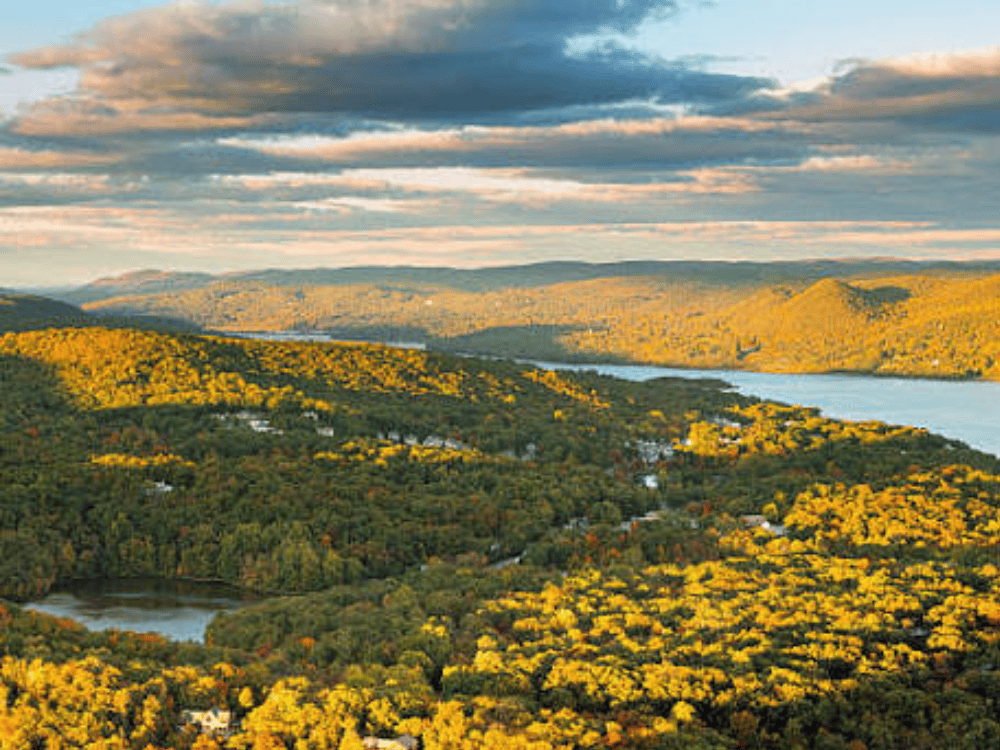
Forest Hills
Tudors, slate and slate-look pitched roofs, and co-op buildings. Architectural shingle and detailed trim work.

Ozone Park
Semi-attached flat roofs with decades of layered patch. Strip and rebuild is the usual scope.
Every Queens neighborhood we cover, with ZIP codes
Grouped by what the roofs are actually like rather than alphabetically, because across Queens, Nassau, and Suffolk, that matters far more than the name on the sign. If your neighborhood is not listed, it is almost certainly still in range. Call and give us the address.
Queens
- The Rockaways & Coastal Queens
11691
- Attached Queens
- Detached Queens
- Pre-War & Co-Op Queens
Not sure which Queens you are in? Neighborhoods here share ZIP codes constantly, and postal names rarely match what people actually call the area. Give us the address on the phone and we will tell you what your roof most likely is, what it will be filed under, and when we can get there.
Thirty Years Of Cold Patch Stripped Off A Semi-Attached Flat Roof
The problem
The owner had a recurring leak over the rear bedroom and three separate contractors had coated the roof rather than open it. We found four layers of built-up roofing and cold patch, a dead drain that had not moved water in years, and water tracking along the party wall into the neighbor’s ceiling.
What we did
Stripped all four layers to the deck, replaced rotted boards, rebuilt the drain and the parapet cap flashing, tapered the insulation to move water where it belongs, and installed a fully adhered TPO membrane with the party wall properly terminated.
The result
Two and a half days on site with the sidewalk kept clear, DOB filing handled by us, and no more shared-wall leak for the neighbor either. Warranty registered before the crew left.
There are two Queens, and they need different roofs
Most roofing companies treat Queens as one thing, usually flat roofs and city rules. That is half the borough. The other half is detached houses with pitched asphalt roofs that have far more in common with Nassau than with anything closer to Manhattan. Which one you live in decides almost everything about the job.
Does your house share a wall?
Can you see your roof from the street?
Do you have a driveway?
Row houses and shared walls
The roof
Where the water gets in
The recurring problem
What makes the job harder
What we install
Pitched roofs and driveways
The roof
Where the water gets in
The recurring problem
What makes the job easier
What we install
What both halves have in common
The filing. Wherever your house sits, a Queens roof replacement is filed with the New York City Department of Buildings rather than a village or town hall, and the process works nothing like it does on Long Island. Different code, different paperwork, different inspections. Getting it wrong does not just cost time, it stops the job.
Queens FAQs
Queens Roofing Questions, Answered
Permits, party walls, parking, co-op boards and cost. Call the office for anything not covered here.
Do I need a permit to replace a roof in Queens?
Queens is part of New York City, so roofing work is filed with the Department of Buildings rather than a town or village building department. Straight re-roofing on a one or two-family house often does not require a permit, but structural work, added layers, parapet work and most commercial jobs do. We tell you which category you are in and file when filing is needed.
How long does a flat roof last in Queens?
A properly installed TPO or EPDM membrane on a well-drained roof generally runs twenty to thirty years. What shortens it here is standing water and layered coating rather than the membrane itself. A roof that ponds after every storm ages at the ponding, not evenly, which is why drainage and pitch matter more than the product name on the estimate.
Can you work on my block with no driveway or parking?
Yes, and it is planned before we quote rather than improvised on the day. Where the dumpster goes, how material gets up, whether access has to be arranged over an adjoining roof, and which days we are on your block all go in the written estimate. On tight Queens streets that plan is the difference between a two-day job and a five-day one.
My house is attached and the leak may be coming from next door. What then?
Common on attached and semi-attached houses here, and we will tell you honestly if the water is entering on your neighbor’s side. Party wall, parapet and coping leaks frequently originate on one roof and appear in the other building. We document where it is actually entering so the conversation with your neighbor starts from evidence rather than opinion.
Do you work with co-op and condo boards?
Yes. Co-op and low-rise multi-family work needs documentation a board can present, certificates of insurance naming the correct parties, a written scope suitable for approval, and scheduling that works around residents and rooftop equipment. We provide all of it, and we will attend a board meeting where that helps the decision along.
Will I need a sidewalk shed or street permit?
On some blocks, yes. Where material has to be hoisted over a sidewalk or the dumpster needs street placement, there are separate requirements beyond the roofing permit. We establish that at the survey rather than discovering it the morning the truck arrives, because it affects both the schedule and the cost.
Curious To Learn More About Nassau County, NY
How does one borough end up with row houses, Tudors, farmland-era detached homes and an ocean peninsula? These local resources are a good place to get acquainted with the area we work in.
Get A Real Number On Your Queens Roof
Free inspection, photographs of every finding, written line-item pricing, DOB filing handled by us, and financing available up to 100% of project cost, subject to credit approval. Ask about $500 off a full replacement, plus our military and government employee discounts.
- Free inspection
- No obligation
- 24/7 storm response