Roof Inspection Service Long Island, NY With A Written Photo Report
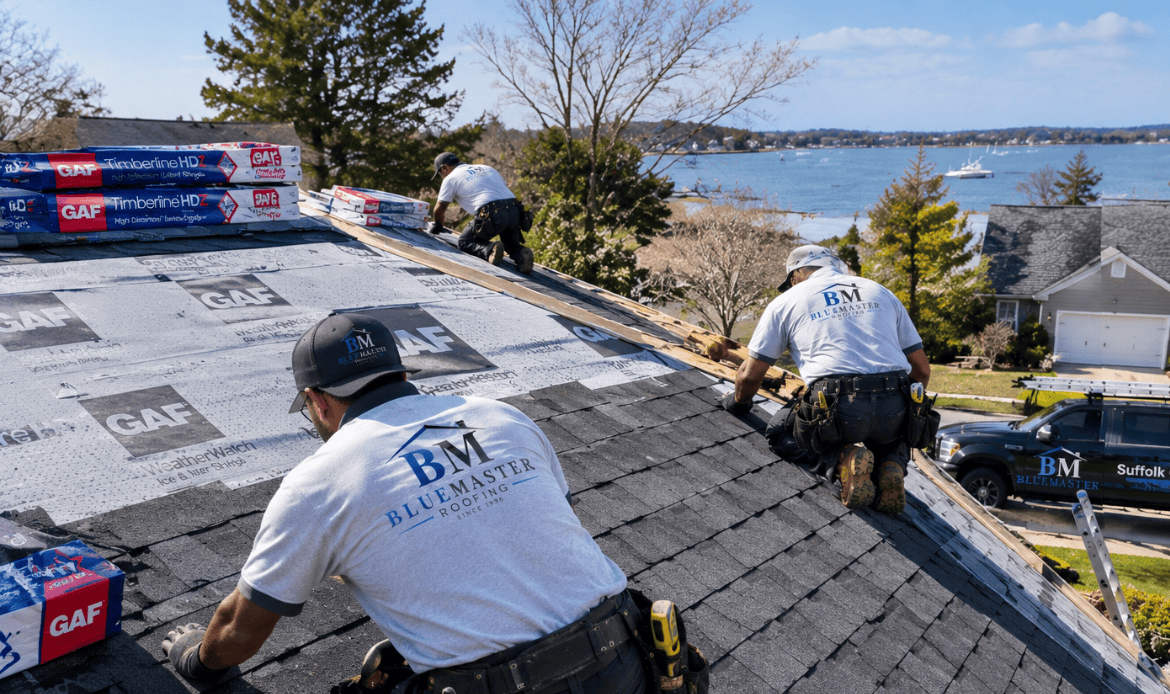
A roof inspection tells you three things: what condition the roof is actually in, how much service life is realistically left, and whether anything needs doing now. Bluemaster Roofing inspects roofs across Nassau County, Suffolk County and Queens at no charge. We get on the roof rather than assessing it from the driveway, check the attic from underneath, photograph every finding, and send you a written condition report you keep whether or not you hire us.
Request A Free
Book Now


When Do You Actually Need A Roof Inspection?
A roof inspection is worth booking when something has changed or something is about to. A storm has come through, a closing date is coming, an insurance renewal has asked a question, or the roof has quietly passed the age where you should be guessing about it. Outside of those, a roof under fifteen years old with no symptoms usually does not need one.
These are the situations Long Island homeowners book us for most:
- You are buying a house.
- You are selling and the buyer's inspector flagged the roof.
- A nor'easter or coastal wind event just went through.
- Your insurer asked about the roof
- The roof is past twenty years
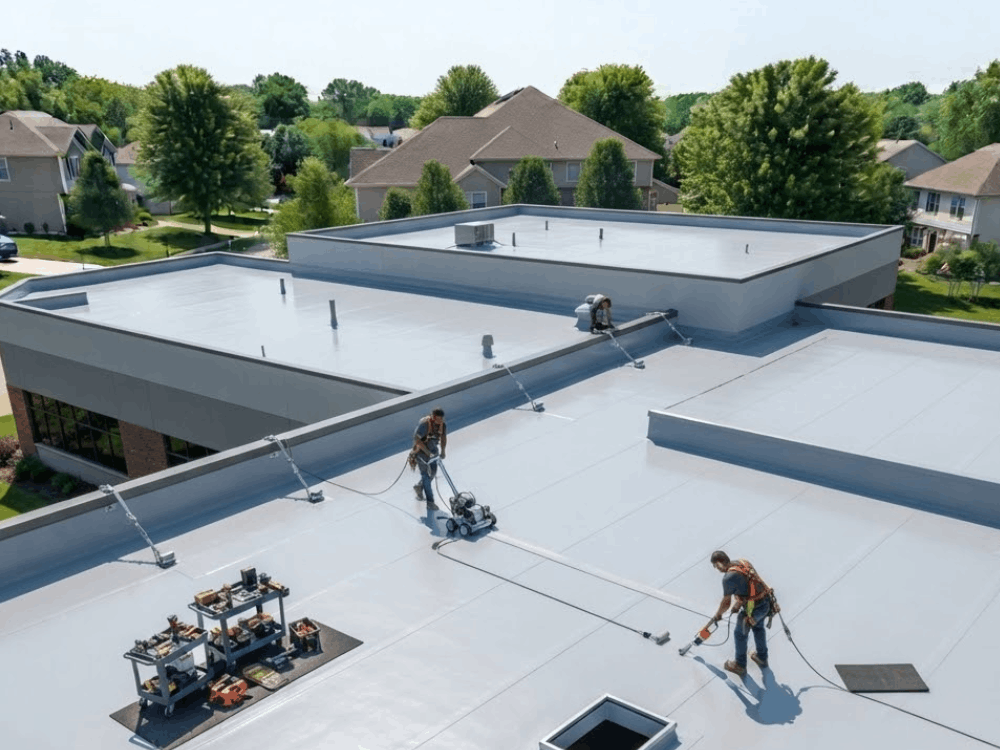
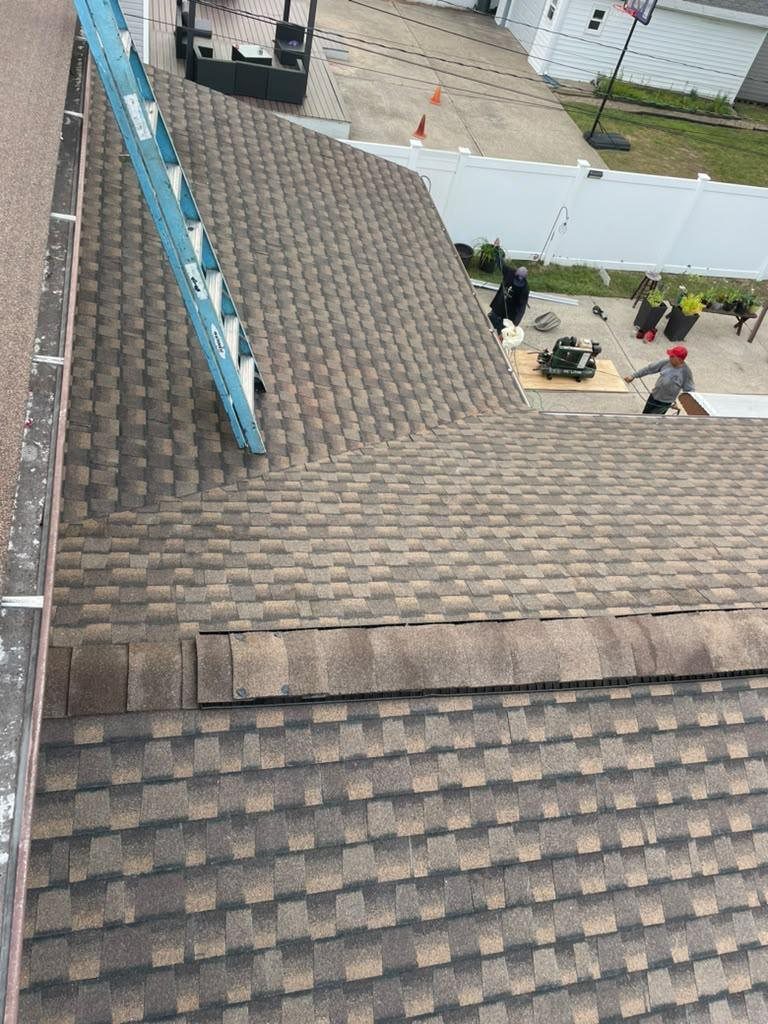
Four reasons people book a roof inspection
I'm buying a house and the roof looks old.
A general home inspector walks the perimeter and looks from a ladder. That is their job and it is reasonable, but it will not tell you whether you are inheriting a roof with four years left in it.
We get on it, go into the attic, and tell you plainly how much life is left and roughly what a replacement would cost. That number belongs in your negotiation, not in a surprise next spring.
What you leave with
We just had a nor'easter and there are shingles in the yard.
Wind damage rarely stays where you can see it. Shingles in the yard mean the sealant strip let go somewhere, and the neighbouring courses are usually loose even though they are still lying flat.
We check the whole roof, not just the bare patch, and we photograph it while the evidence is fresh. If it is worth an insurance claim we will say so, and if it is not, we will say that too.
What you leave with
My insurer is asking for a roof certification.
This comes up at renewal, at closing, and increasingly on older Long Island homes when a policy changes hands. The insurer wants a professional opinion on condition and expected remaining life, in writing.
We inspect, document, and put it in a format that answers what they are actually asking. Most of the time the roof is fine and the paperwork is the whole problem.
What you leave with
Nothing's wrong. I just don't know how much time I have.
This is the best reason to call, and the one people put off longest. A roof approaching the end gives three or four years of warning, and almost all of that warning is visible before anything reaches a ceiling.
Knowing you have six years left is worth something. So is knowing you have one. Either way you get to plan the work instead of reacting to it.
What you leave with
Twelve things we check, and four of them are inside
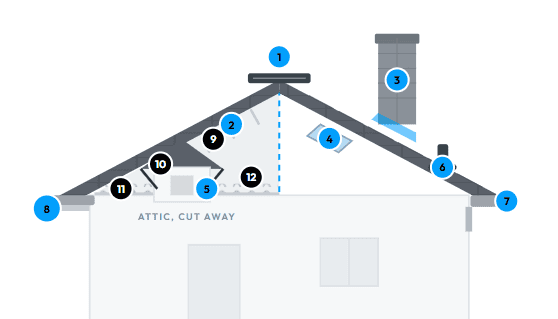
- In the attic
9
Decking underside
10
Rafters and framing
11
Insulation and soffit intake
12
Daylight, moisture and airflow
- On the roof
1
Ridge and ridge vent
2
Field shingles and granule loss
3
Chimney flashing and cricket
4
Skylight flashing
5
Valleys and dormer junctions
6
Pipe boots and vents
7
Eaves, drip edge and gutters
8
Fascia and soffit
Points 9 to 12 are why we ask for attic access. A roof can look serviceable from above while the decking underneath is already going, and blocked intake vents shorten a roof’s life more reliably than anything on the surface. Fifteen minutes inside usually changes the answer.
What A Proper Roof Inspection Actually Covers
A real inspection happens in three places: on the roof surface, at every penetration and transition, and inside the attic. Skip the attic and you are guessing, because ventilation problems, active moisture and deck condition show themselves from underneath long before they show from above.
Roof Inspections For Long Island Homes & Businesses
Residential Roofing
Capes, colonials, split levels, ranches and waterfront homes across Nassau, Suffolk and Queens. Roof and attic inspection, condition reports, tear-offs, leak repair, flashing and skylights.
Commercial Roofing
Storefronts, co-ops, medical offices and warehouses. Flat and low-slope surveys covering seams, terminations and drainage, plus Carlisle TPO and EPDM systems, coatings and scheduled maintenance worked around your tenants’ hours.
Other Roofing Services We Provide Across Long Island
An inspection tells you what the roof needs. These are the services that handle it, all delivered by the same in-house crew across Nassau, Suffolk and Queens.
Roofing Systems We And Warranty
If the inspection finds a roof at the end of its life, the next question is what replaces it. Six systems, each suited to a different house, exposure and budget, all installed and warrantied by us.
How A Roof Inspection Works, Start To Finish
Tell Us Why You Are Booking
Call the office or send the form and say what prompted it: a leak, a storm, a closing date, an insurance question, or the roof’s age. The reason shapes what we prioritize once we are up there.
We Schedule And Arrive
We give you a date and an arrival window rather than an open-ended morning. Most Long Island inspections take forty-five minutes to ninety minutes depending on the size and complexity of the roof. You do not need to be home for the roof, but we do need access to the attic.
Roof, Details And Attic
We get on the roof where it is safe to do so, work every slope, examine each penetration and transition, then go into the attic and check from underneath. Everything gets photographed as we go.
Your Written Report
You receive the photo report with our findings, an assessment of remaining service life, and a clear split between urgent, monitor and no action needed. If work is warranted, a separate itemized estimate comes with it so the assessment and the sales number stay in different documents.
What Does A Roof Inspection Cost On Long Island?
Our standard residential roof inspection is free, including the attic check and the written photo report. There is no fee, no deposit and no obligation to proceed. What can carry a charge is a formal document for a third party, because that is a different product with a different liability attached to it.
Where a fee may apply:
Formal roof certification letters.
Some lenders, insurers and closing attorneys want a signed certification stating a roof has a specific number of years remaining. That is a document a contractor puts their name against, and it is a different thing from a condition report.
Commercial roof surveys.
Larger buildings, multiple roof sections, membrane core sampling or moisture surveys involve time and equipment beyond a residential visit.
Engineer or architect reports.
If a co-op board, a municipality or a legal matter requires a stamped structural report, that has to come from a licensed engineer, not from a roofing contractor. We will say so and point you in the right direction rather than pretending our report covers it.
The honest part about free inspections.
At a lot of companies, free inspection means a sales appointment where the finding was decided before the ladder went up. Two things tell you which kind you are getting. First, ask for the photographs. A contractor who has actually assessed your roof can hand you images of the specific findings, on your specific roof, with locations. Second, notice whether the report and the quote are separate documents. Ours are. And plenty of our inspections end with the roof being in decent shape and nothing to sell, which is a perfectly good outcome for a visit that cost you nothing.
What You Get From A Bluemaster Roofing Inspection
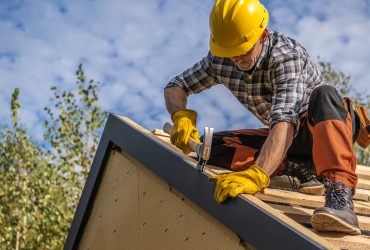
An assessment is only worth something if it was actually done and can be checked afterward. Every finding on your roof gets photographed, located and written down, and the report reaches you before any price does.
We get on the roof.
Where the pitch and the condition allow it safely, the inspection happens on the roof rather than from a ladder at the eave or from the ground with binoculars. If a roof is genuinely unsafe to walk, we tell you that and explain how we assessed it instead.
The attic is included as standard.
Not an add-on and not skipped when we are running late. Half of what matters is only visible from underneath.
Photographs of everything, yours to keep.
Every finding is documented with an image and a location. Take that report to two other contractors for a second read. We would rather you compared assessments than took ours on faith.
The report and the quote are separate.
An assessment that arrives pre-attached to a price is a sales document. Ours arrives as findings first, with any estimate as its own document afterward.
Who Books Roof Inspections With Us
Different reasons need different things from an inspection. A closing date needs speed and a written condition report, an insurance claim needs dated photographs, and a property manager needs findings per address. Tell us which one you are, and the report gets built around it.
- Home buyers and sellers. Pre-purchase roof inspections across Nassau, Suffolk and Queens, and condition reports for sellers whose buyer's inspector raised a question. Timed to closing dates when we are told the date.
- Real estate agents and attorneys. A written roof condition report with photographs, turned around quickly, that keeps a deal moving instead of stalling it on an unknown.
- Homeowners after a storm. Documented wind and storm damage assessment following nor'easters and coastal events, dated close to the event, in a format an insurance adjuster can work from.
- Property managers and landlords. Portfolio and multi-family inspections, scheduled around tenants, with reports per address rather than one summary covering everything.
Roof Inspection Questions Long Island Homeowners Ask
The same questions come up on almost every call: is it really free, will you get on the roof, and how long does it take. Here are the direct answers. If yours is not covered, call the office and ask.
How often should a Long Island roof be inspected?
Roughly every two to three years on a roof under fifteen years old, annually once it passes twenty, and after any significant wind event regardless of age. Coastal and heavily shaded properties on both shores benefit from more frequent checks, since salt exposure and organic growth work faster than time alone does.
Do I need a roof inspection before buying a house on Long Island?
It is worth it on any house where the roof age is unknown or the roof is past fifteen years. A general home inspector gives you a visual pass, usually from a ladder at the eave. A roofing contractor gives you layer count, decking condition, flashing condition and remaining service life, which is the number that matters when you are negotiating before closing.
How long does a roof inspection take?
Forty-five minutes to ninety minutes for most Long Island homes, longer on cut-up colonials, steep pitches or multi-section roofs. You do not need to be home for the roof portion, but we do need attic access, and that part is not optional. Skipping the attic is how contractors miss ventilation and moisture problems entirely.
Will you go on the roof or just look from the ground?
We get on the roof wherever pitch and condition make that safe. Ground-level and ladder-only assessments miss cracked pipe boots, failed step flashing and soft decking, which are the three findings that matter most here. If a roof genuinely cannot be walked, we tell you that and explain how it was assessed instead.
My insurance company is asking about my roof age. What do they want?
Usually the installation year and a current condition assessment, and on coastal and older Long Island properties they increasingly ask at renewal rather than only at underwriting. A dated inspection report with photographs and a service life estimate answers it. If a formal certification letter is specifically required, tell us at booking, because that is a different document.
Book A Free Roof Inspection And Get A Real Answer
Photographs of every finding, an attic check included, a written condition report you keep, and a straight assessment of how much life the roof has left. No fee, no deposit, no obligation. Bluemaster Roofing inspects roofs across Nassau County, Suffolk County and Queens from 141 Main Street, East Rockaway, NY.