Flat Roofing Service Long Island, NY | Where The Water Actually Goes
A flat roof does not fail because it is flat. It fails because water sits on it, and the seams, the drains and the terminations are the places that eventually give in. Bluemaster Roofing installs and repairs TPO, EPDM and modified bitumen systems across Nassau County, Suffolk County and Queens. Before we quote a membrane we work out where water is standing and why, because putting a new roof over a drainage problem produces a newer roof with the same problem.
Request A Free
Request A Free Flat Roof Assessment


Why Does A Flat Roof Keep Leaking?
Water on a flat roof has nowhere to go except away, and when it cannot get away it works at the weakest points. On Long Island those are nearly always the seams between membrane sheets, the terminations where the roof meets a wall or parapet, and the drains. The field of the membrane is usually the last thing to fail.
- Ponding water days after a storm.
- Open or lifting seams.
- Failed terminations and parapet detail.
- Blocked or dead drains and scuppers.
- Layered coating and cold patch.
The Real Cause
Why do flat roofs leak when the membrane looks fine?
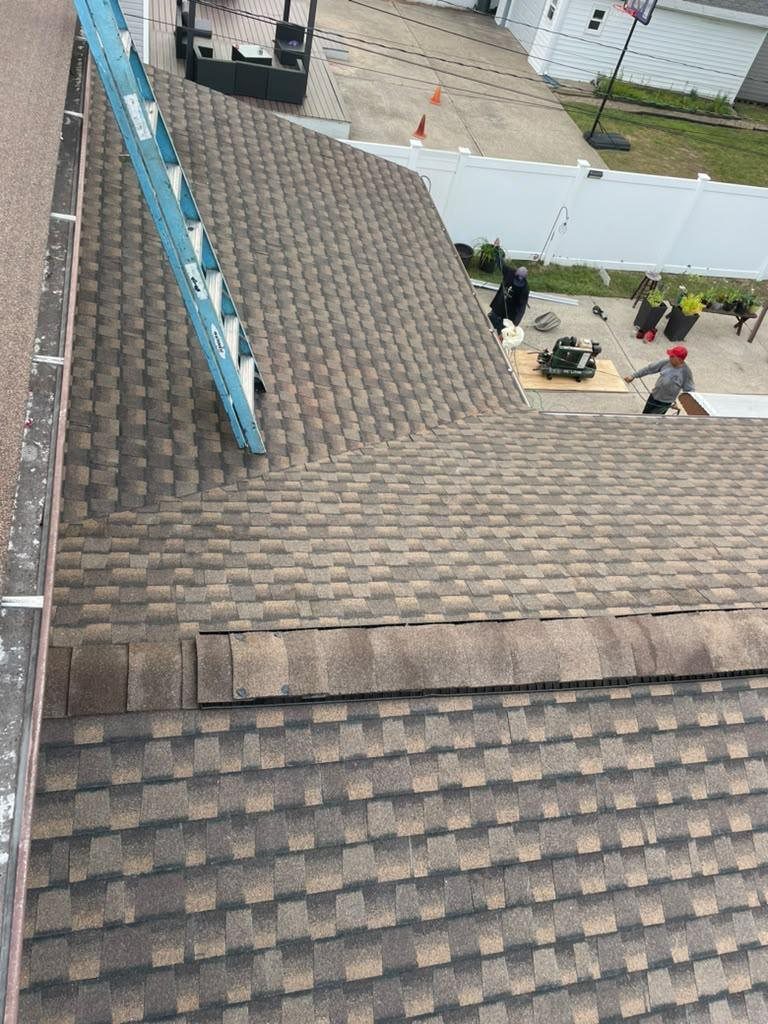
Flat roofs rarely fail in the middle of the membrane. They fail at the seams, the penetrations, the parapet and the drains, and almost always because water is sitting still instead of running off. Ponding water is the cause. The leak is the symptom.
1
Parapet and coping
2
Seams between sheets
3
Penetrations
4
Drains and scuppers
Standing water is heavier than people think
An inch of water across a flat roof adds roughly five pounds to every square foot. On a modest section that is hundreds of pounds sitting in one spot, and the weight makes the dip deeper, which holds more water next time.
That is why ponding gets worse on its own. It is also why coating a ponding roof does not fix anything. It seals the surface and leaves the load exactly where it was.
≈ 5 lb
per square foot, per inch of standing water
Water still sitting there 48 hours after rain is the sign that pitch or drainage has failed.
The Decision
Should you coat it, patch it, or replace it?
Patch when the problem is in one place and the rest of the roof is sound. Coat when the membrane is structurally fine and drainage still works. Replace when there is ponding, wet insulation, or leaks in more than one area. The wrong choice here is the most expensive mistake on a flat roof.
Patch it
One defect, repaired properly
- Right when
- The leak traces to one seam, one pipe boot or one flashing detail
- The rest of the membrane is sound and still flexible
- Water is draining off the roof the way it should
- Wrong when
- This is the third patch in two years
- Water is coming in at more than one place
Buys you
Years, if it was the only fault
Coat it
- Right when
- The membrane is intact and the wear is surface UV damage
- The roof drains properly with no standing water
- A moisture survey confirms the insulation underneath is dry
- Wrong when
- Water still sits on the roof two days after rain
- The insulation below is already wet, which a coating seals in
Buys you
Roughly 10 years, if the roof qualified
Replace it
- Right when
- Water ponds after every storm and the pitch needs correcting
- There are already several layers stacked up there
- A moisture survey confirms the insulation underneath is dry
- Wrong when
- One seam has opened and everything else is sound
- The roof is young and the drainage still works
Buys you
A full new system and warranty
Before we coat anything, we check for trapped moisture
This is the part that costs people the most. A coating seals the surface, which means any water already sitting in the insulation can no longer get out. It stays there, works on the deck from underneath, and shows up two or three years later as a much bigger job.
By then you have paid for the coating and you still need the roof. A coating is only worth doing on a roof that is dry underneath, and the only way to know that is to check.
How we check
1
Walk the roof and mark every soft or spongy area
2
Look for ponding evidence, staining and previous patch work
3
Take core samples where the deck feels compromised
4
Tell you honestly which of the three options fits
If a contractor quotes a coating without checking underneath, that is the wrong quote. We will tell you when a coating is the right call, and we will tell you when it is money you are about to waste.
TPO, EPDM Or Modified Bitumen: Which Membrane Do You Need?
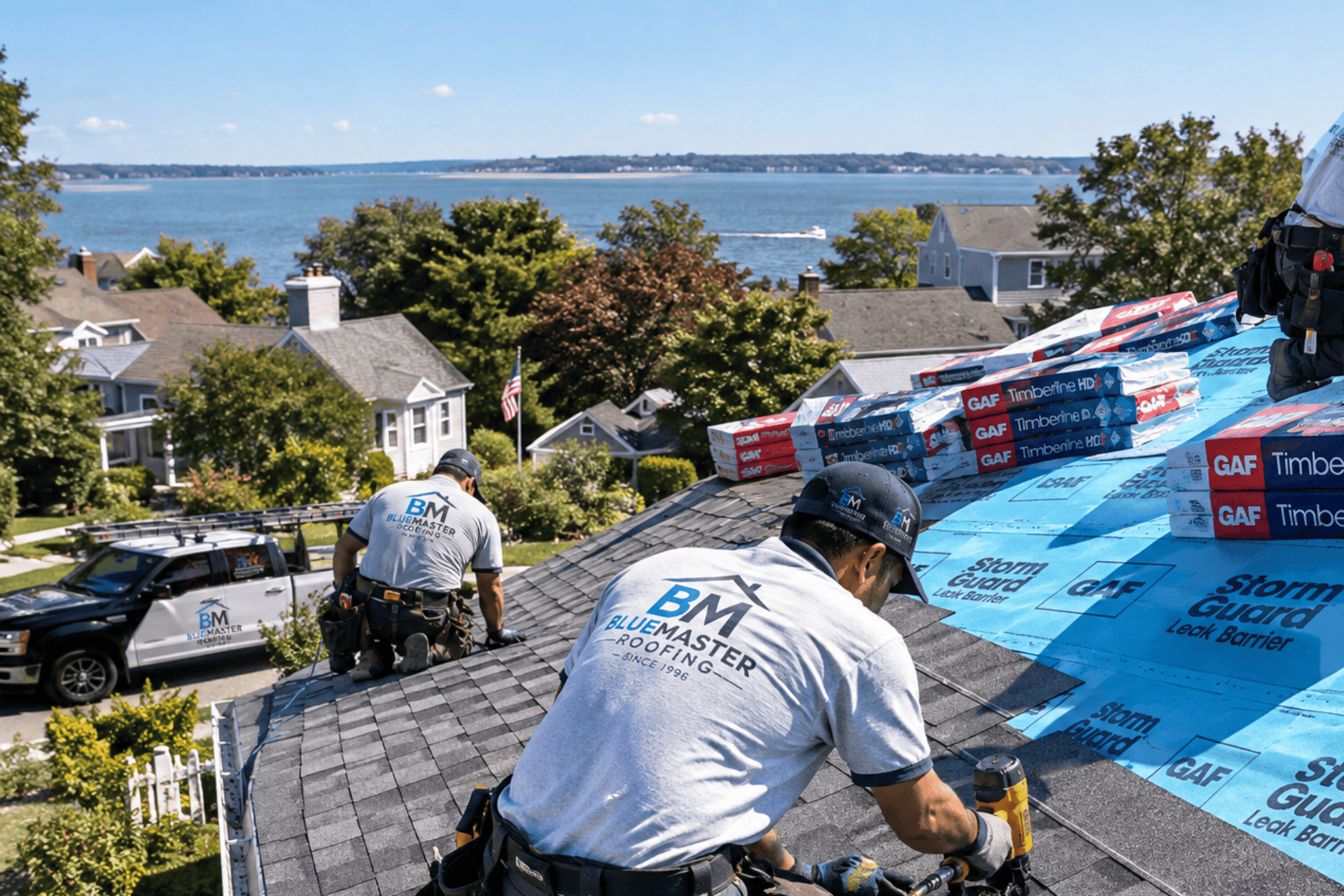
TPO is a white, heat-welded single-ply membrane that reflects sunlight and suits most commercial and residential low-slope roofs. EPDM is a black, flexible synthetic rubber, seamed with adhesive or tape, that handles cold and movement extremely well. Modified bitumen is an asphalt-based membrane in torch, cold-adhered or self-adhered rolls, which performs well on small, complicated roofs with many penetrations.
Membrane Comparison
TPO, EPDM or modified bitumen: which flat roof is right?
All three are proven flat roofing systems and all three last well when installed correctly. TPO is the usual choice on commercial buildings, EPDM suits smaller residential sections, and modified bitumen handles roofs with heavy foot traffic. Roof size, access and what happens on the roof decide it more than the material itself.
Typical
lifespan
How the seams are joined
Heat and sunlight
Foot traffic and punctures
Repairs down the line
Most commercial roofs
TPO
20 to 30 years. Newer formulations have improved considerably, and a properly welded roof outlives its warranty.
Heat welded. The sheets fuse into one piece, which makes the seam as strong as the membrane. The best seam of the three.
White and reflective. Bounces sunlight back, which keeps the building below cooler through a Long Island August.
Good. Reinforced with a scrim layer, so it takes service traffic around HVAC units without much complaint.
Needs the right kit. Repairs are welded, so it takes a contractor with the equipment and the training rather than a tube of sealant.
Residential favourite
EPDM
25 to 30 years. The longest track record of the three. Rubber roofs installed in the eighties are still going.
Toughest surface
Modified Bitumen
Straightforward. Patched with matching material, and additional layers can go over an existing surface.
Choose TPO if
It is a commercial building, the roof is large, there is rooftop equipment, or summer cooling costs matter. We install Carlisle TPO and are factory trained on it.
Choose EPDM if
It is a smaller residential section such as a dormer, porch roof or rear extension, nobody walks on it, and you want the simplest thing to repair in ten years.
Choose modified bitumen if
The roof gets regular foot traffic, or it is an older building where the existing system is already bitumen and matching it is the sensible move.
The membrane matters less than the pitch and the detailing. Any of these three will outlast its warranty on a roof that drains properly and has its seams and penetrations done right. All three will fail early on a roof that ponds. We will tell you which one suits your building, and why.
How A Flat Roof Project Runs In Long Island
Assessment And Drainage Survey
We get on the roof, check seams, terminations, curbs and penetrations, and work out where water stands and why. Drains and scuppers are tested, the deck is checked for deflection, and everything is photographed. If moisture in the insulation is a question, that gets established before anything is priced.
Written Specification And Estimate
Membrane type, attachment method, insulation and taper design, drainage work, flashing and termination detail, all named line by line. You see whether you are being quoted a repair, a coating or a replacement, and why.
Tear-Off Or Prep, Then Installation
Old layers stripped where a replacement is the scope, wet insulation removed, deck repaired, taper laid to move water to the drains, then the membrane installed and every seam welded or adhered to specification. Terminations, curbs and penetrations flashed as part of the same pass.
Water Test, Walkthrough And Warranty
Drains flow-tested, seams probed, debris removed, final walk with you, permit inspection closed, and the manufacturer warranty registered before we leave.
Flat Roofing For Long Island Homes & Businesses
Residential Roofing
Rear additions, dormer flats, porch roofs and garages across Nassau, Suffolk and Queens. GAF Liberty self-adhered systems carrying 20 years on labor and material, tied properly into the pitched roof above.
Commercial Roofing
Storefronts, co-ops, medical offices, restaurants and warehouses. Carlisle TPO and EPDM as factory trained installers, modified bitumen, tapered insulation, drainage rebuilds and scheduled maintenance.
Other Roofing Services We Provide Across Long Island
Every service below is available across Nassau, Suffolk and Queens, handled by the same in-house crew.
Roofing Systems We Install
Many Long Island houses need two systems, a pitched covering over the main roof and a membrane over the addition. We install and warranty all six.
What Determines The Cost Of A Flat Roof
Membrane choice is usually a smaller part of the number than people expect. What moves a flat roof quote is how many existing layers come off, whether the insulation is wet, how much taper the roof needs, how many penetrations and curbs have to be detailed, and how difficult the building is to get material onto.
How many layers come off.
A single membrane strips fast. Four decades of built-up roofing, cold patch and silver coating is heavy, slow, and expensive to dispose of, because disposal is billed by weight.
Wet insulation.
Saturated insulation has to come out. How much of it is wet is often the largest single unknown on a flat roof, which is why establishing it before the estimate matters so much.
Taper design.
Building fall into a flat deck with tapered insulation is a design and a material cost. It is also the thing that stops you having the same ponding conversation in five years.
Membrane and attachment method.
TPO, EPDM and modified bitumen differ in price, and fully adhered costs more than mechanically attached.
What You Get On A Flat Roof Job
Flat roofing is where the least accountable work in this trade happens, because nobody goes up there to check. These are the things we do so that is not true here.
We assess drainage before we specify a membrane.
Where the water stands and why is established first. A membrane quoted without that is a guess wearing a price tag.
Carlisle factory trained on TPO and EPDM.
Manufacturer training is what a system warranty rests on, and we hold it rather than claiming familiarity.
We quote the repair when it is a repair.
Blocked drains and two open seams get quoted as blocked drains and two open seams. That has cost us replacement work and it is still how we run it.
Photographs of everything, including under the membrane.
What the insulation looked like, what the deck looked like, where the water was standing. Yours to keep whether or not you hire us.
Which Long Island Roofs Need A Flat System
Low-slope roofs turn up in more places than people expect on this island, from a rear addition on a cape to an entire warehouse.
- Rear additions and dormer flats on Nassau and Suffolk capes, where shingles were laid on a pitch too shallow to shed water and have been leaking ever since
- Attached and semi-attached houses in Queens, with flat roofs behind a parapet, party wall detail and layers of cold patch going back decades
- Storefronts and mixed-use buildings on main streets across all three counties
- Warehouses and light industrial units, where long seam runs and drainage design drive the whole job
- Garages, porch roofs and carports, small low-slope sections that are usually the cheapest thing on this page to put right
Flat Roofing Questions Long Island Property Owners Ask
Lifespan, ponding, coatings and which membrane. These five come up on nearly every flat roof assessment. If yours is not here, call the office and ask.
How long does a flat roof last on Long Island?
A properly installed and well-drained single-ply membrane generally runs twenty to thirty years, and modified bitumen somewhat less. Drainage is the biggest variable by a distance. A roof that ponds after every storm ages at the ponding rather than evenly, so two identical membranes on two buildings can be a decade apart in service life.
Is standing water on my flat roof normal?
Some water immediately after rain is normal. Water still sitting forty-eight hours later in drying conditions is ponding, and it is treated as a defect rather than a characteristic. Most membrane warranties exclude ponding-related failure, so it is worth addressing on its own terms rather than living with it.
Should I coat my flat roof or replace it?
Coat it if the membrane is sound, the seams and terminations hold, the insulation underneath is dry and the roof drains properly. Replace it if there is moisture in the insulation, the seams have opened, or there are already several layers of coating and cold patch up there. Testing for trapped moisture is what separates those two answers, and it cannot be done by looking.
What is the difference between TPO and EPDM?
TPO is a white thermoplastic sheet with heat-welded seams that fuse into one surface, and it reflects heat. EPDM is black synthetic rubber with adhered seams, and it stays flexible in cold and handles building movement well. TPO suits large open roofs and cooled buildings. EPDM suits older structures that move and roofs with irregular shapes.
Can you install a flat roof over the existing one?
Sometimes, on a single sound layer with dry insulation, and it saves the tear-off cost. We will not do it where moisture is trapped underneath, where the existing layers are already stacked up, or where the drainage has to be rebuilt anyway. Covering wet insulation means the deck keeps rotting where nobody can see it.
Find Out Whether Your Flat Roof Needs A Repair Or A Rebuild
We check the drains, probe the seams, establish whether the insulation is wet, and tell you which of the three answers you are actually looking at. Free assessment, photographs of every finding, and financing available up to 100% of project cost, subject to credit approval. Bluemaster Roofing serves Nassau County, Suffolk County and Queens from 141 Main Street, East Rockaway, NY. Ask about $500 off a full replacement, plus our military and government employee discounts.